
Logan Foundation Pros
Wall Stabilization in Logan, UT
Wall stabilization in Logan, UT: anchors and carbon fiber straps for bowing basement walls. Free estimates.
Serving Logan and nearby communities.
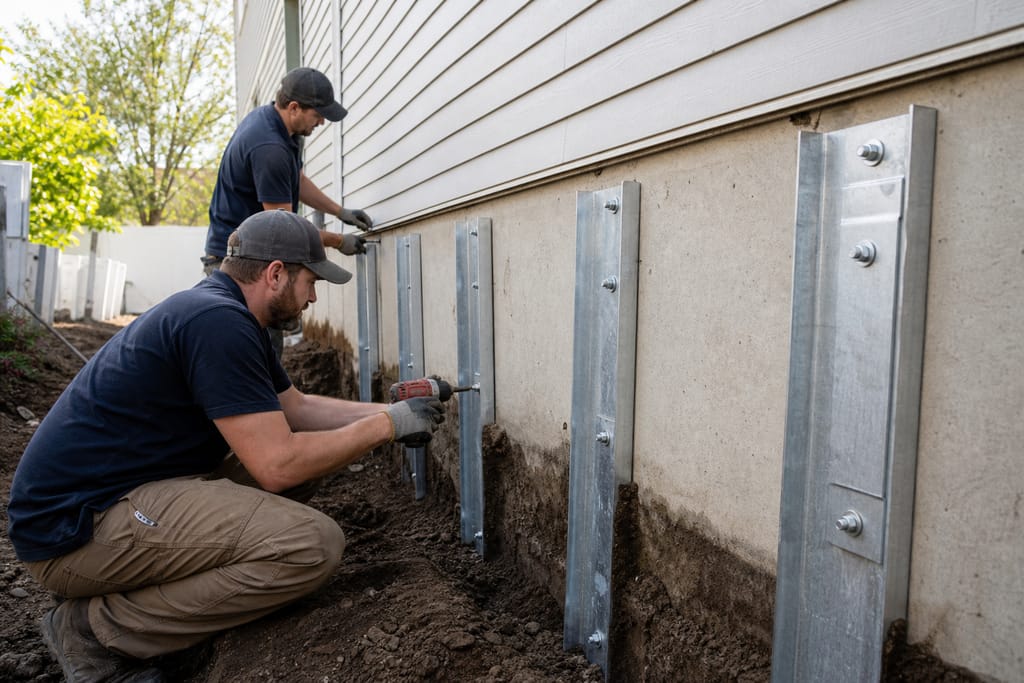
A bowing basement wall doesn't fix itself, and it gets worse every spring until the pressure causing it is addressed. Logan Foundation Pros installs wall anchors, carbon fiber straps, or steel I-beams to stop the movement, matched to how far the wall has already bowed and what's causing the push.
Cache Valley's spring snowmelt creates real hydrostatic pressure against full basement walls, saturating the clay soil outside and pushing it inward against the foundation. Logan's older basement walls, built before modern drainage standards were common, take that pressure more directly than newer construction with better perimeter drainage, which is part of why wall stabilization and french drains often get paired together.
What's included
What's included with Wall Stabilization
Typically included: wall inspection, pressure assessment, and anchor or strap installation sized to the wall's condition.
Optional: drainage improvements (french drain or grading correction) to relieve the pressure causing the bow.
Customer prep: clear yard access along the affected wall for anchor installation.
Want a clearer scope?
Get a Free EstimateHow it works
How our Wall Stabilization process works
 Step 1
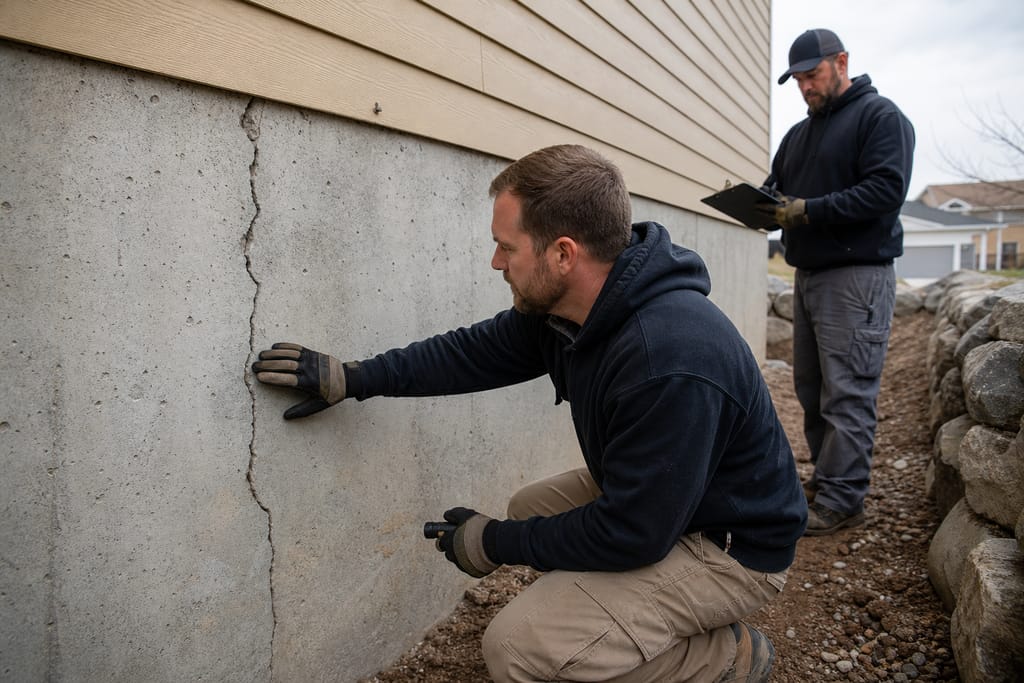
Wall Inspection
Walls are examined for bowing, cracking, or leaning indicators.
 Step 2
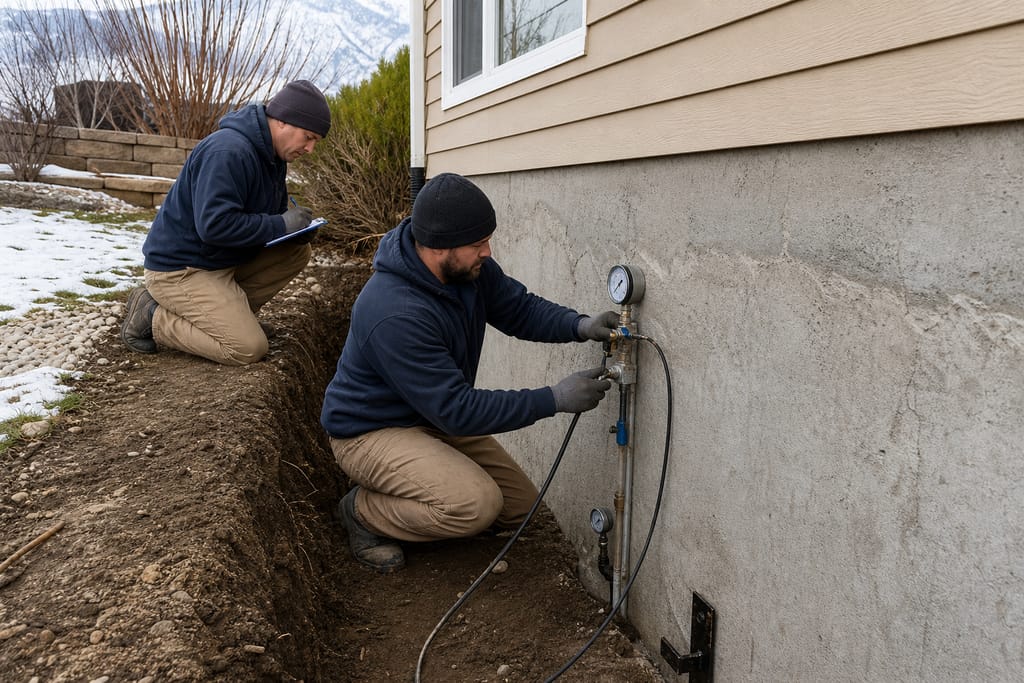
Pressure Assessment
Soil and hydrostatic pressure contributing to wall movement are evaluated.
 Step 3
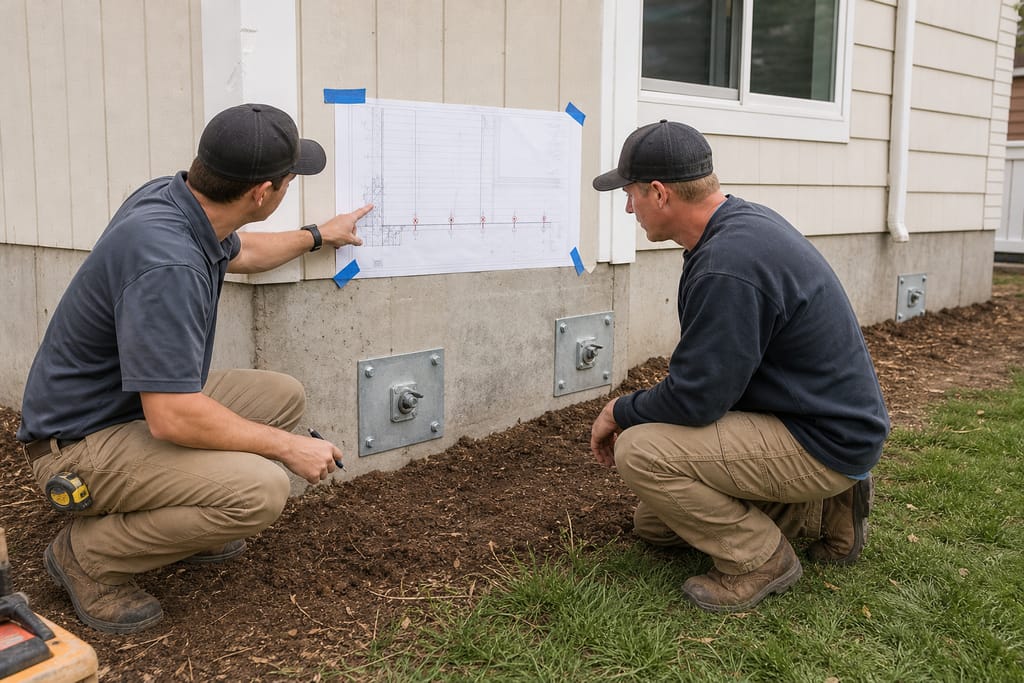
Reinforcement Planning
A stabilization method is selected based on wall condition and severity.
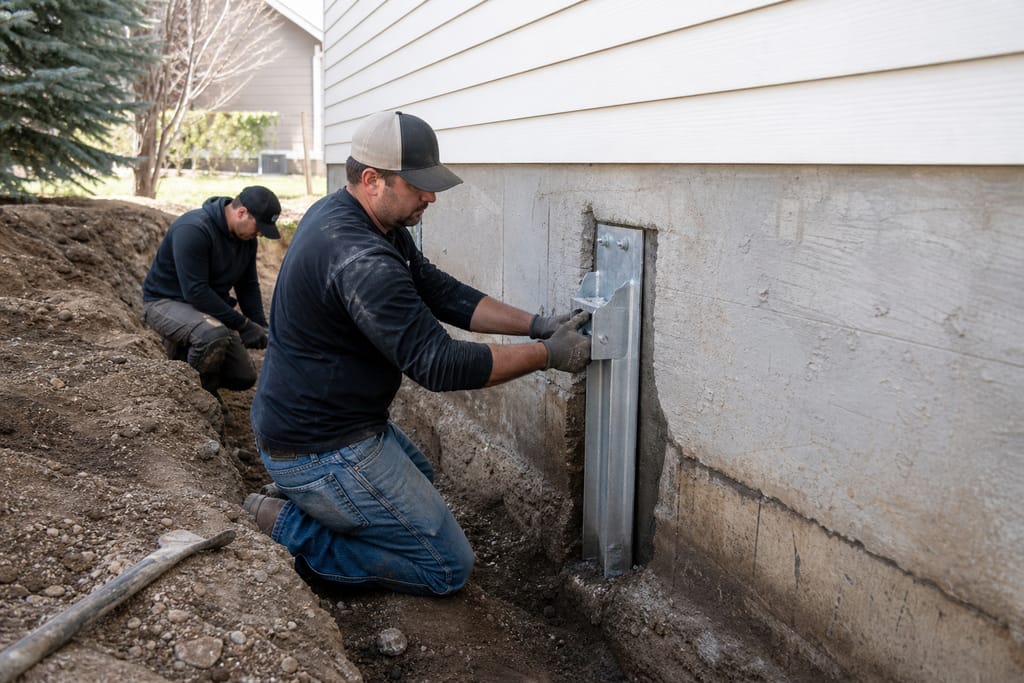 Step 4
Anchor or Brace Installation
Support systems are installed to halt further wall movement.
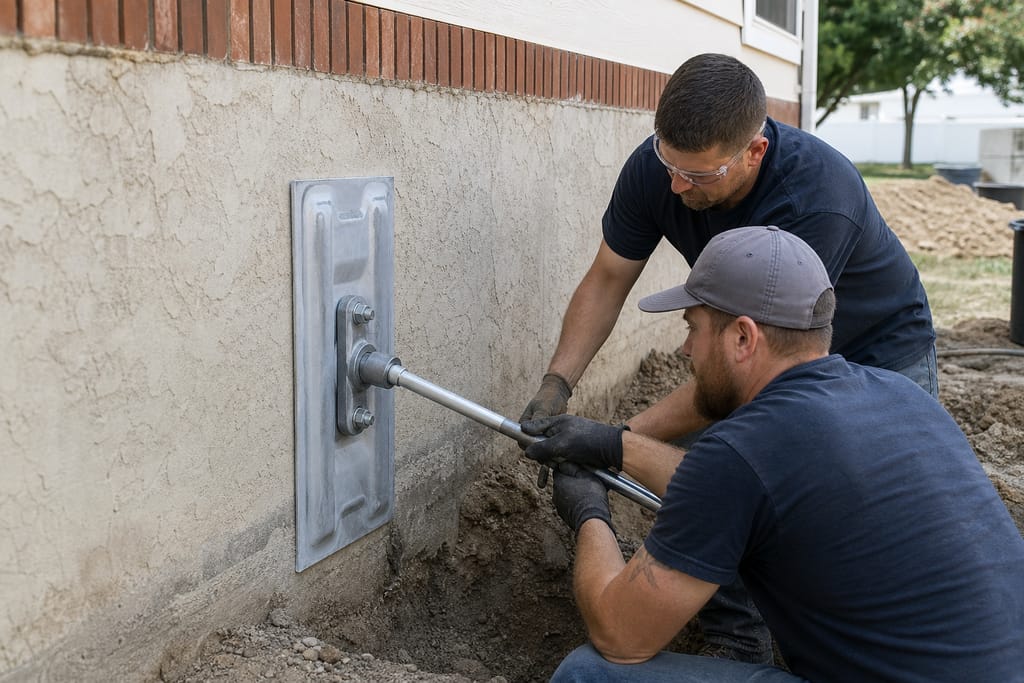 Step 5
Tensioning Adjustment
Anchors or braces are tightened to gradually stabilize the wall.
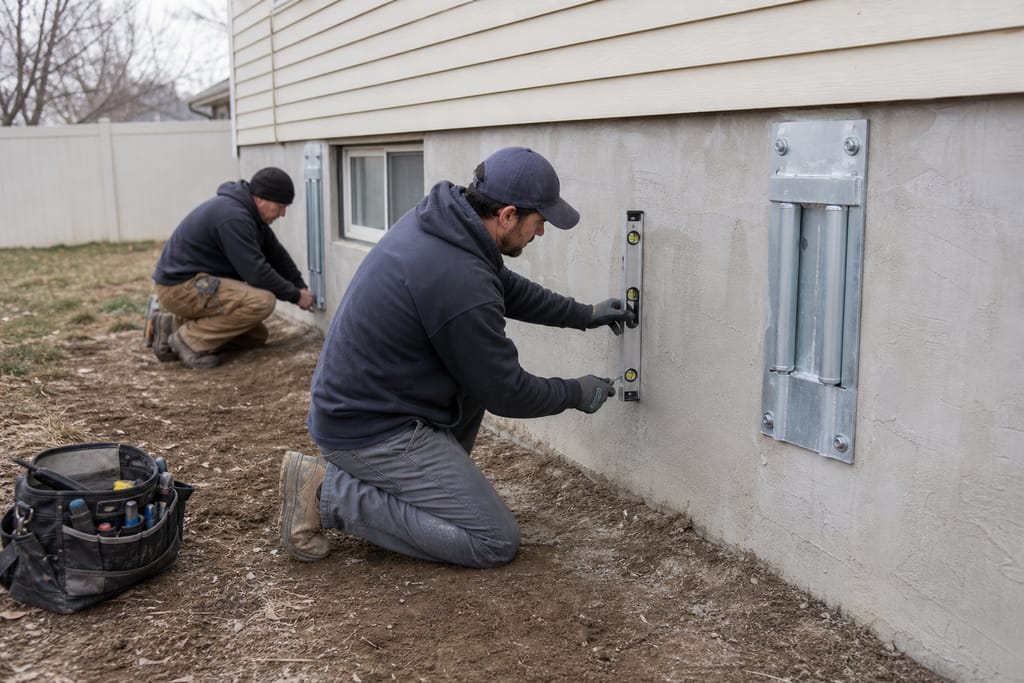 Step 6
Final Inspection
The wall is rechecked to confirm stability and proper installation.
Materials
Materials and methods for Wall Stabilization
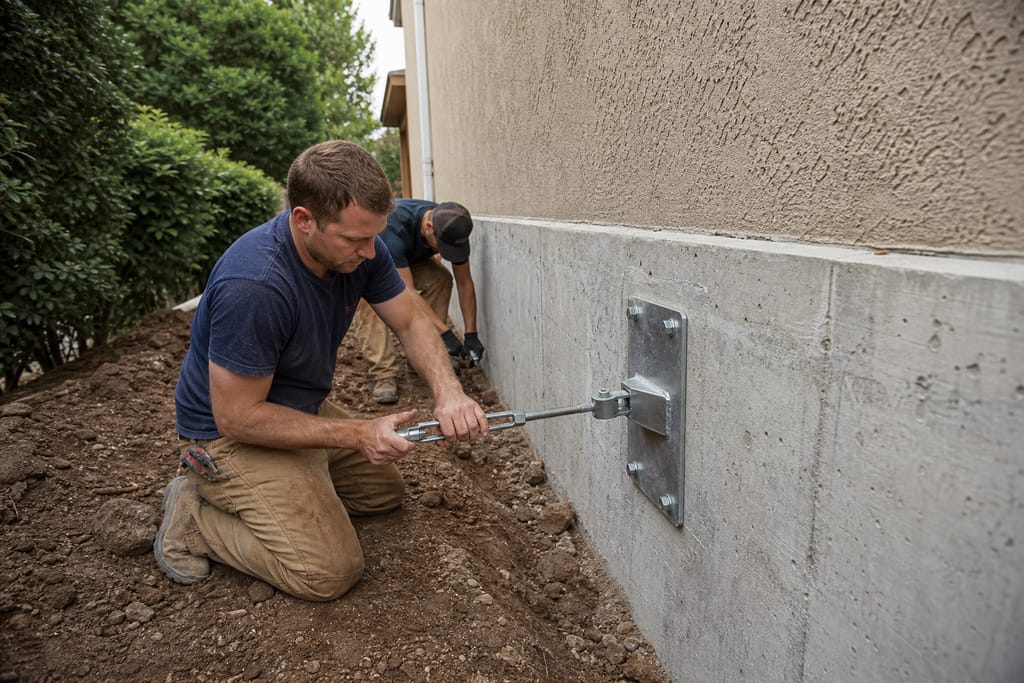
Wall Anchors
Installed in the yard to counteract inward wall pressure caused by Cache Valley's saturated spring soil.
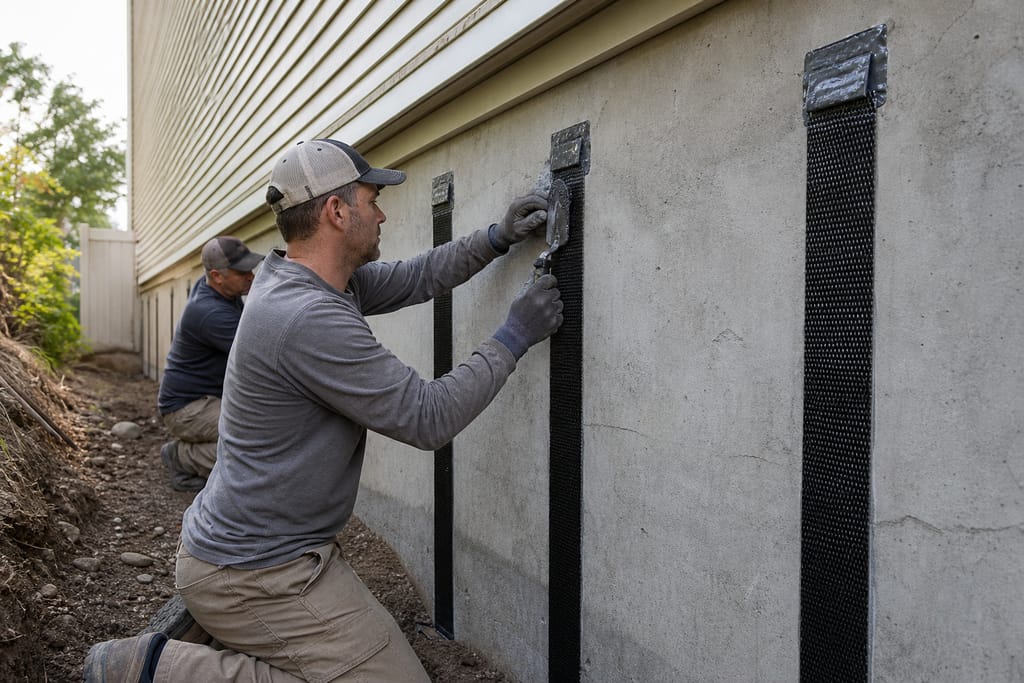
Carbon Fiber Straps
Reinforce walls without requiring extensive excavation, useful for finished basements.
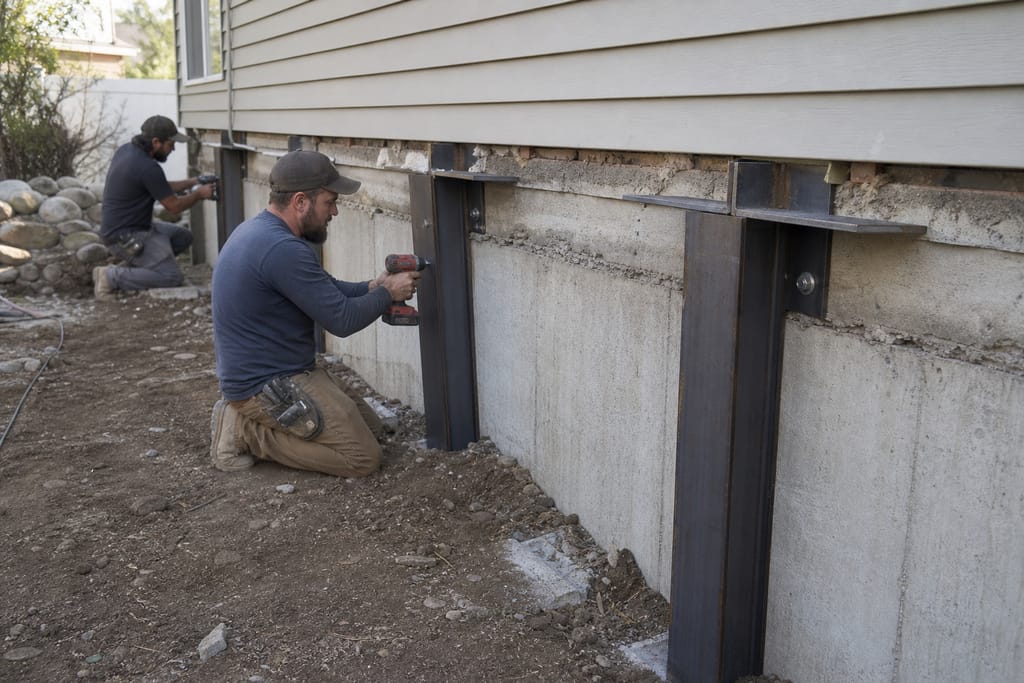
Steel I-Beams
Provide rigid bracing against lateral wall movement in more advanced bowing cases.
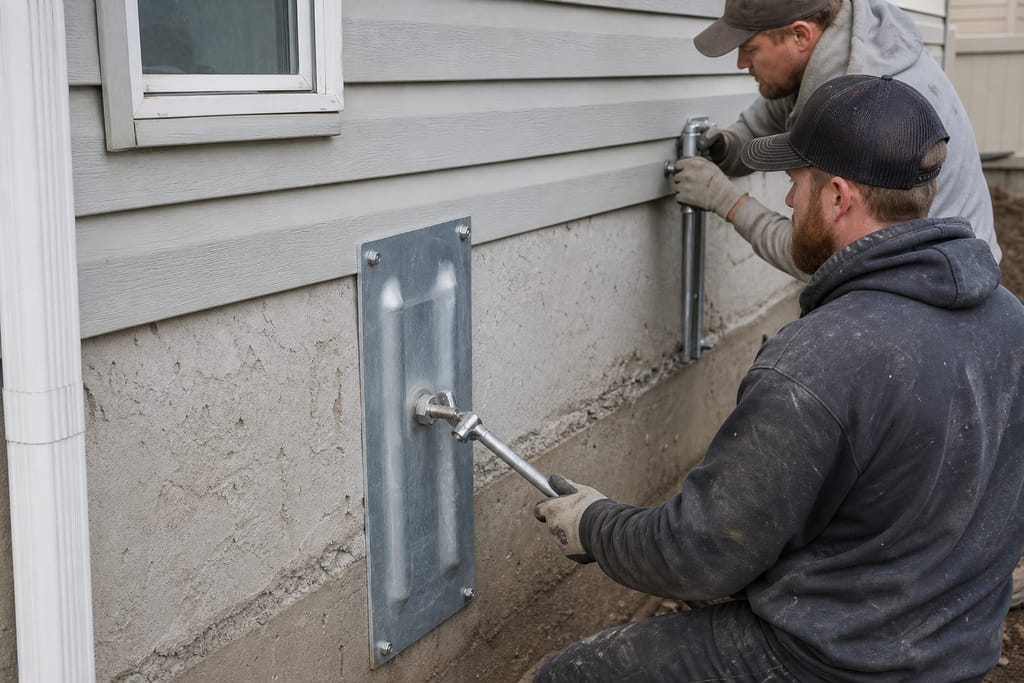
Wall Plates
Distribute anchor tension evenly across the wall surface to prevent point-loading.
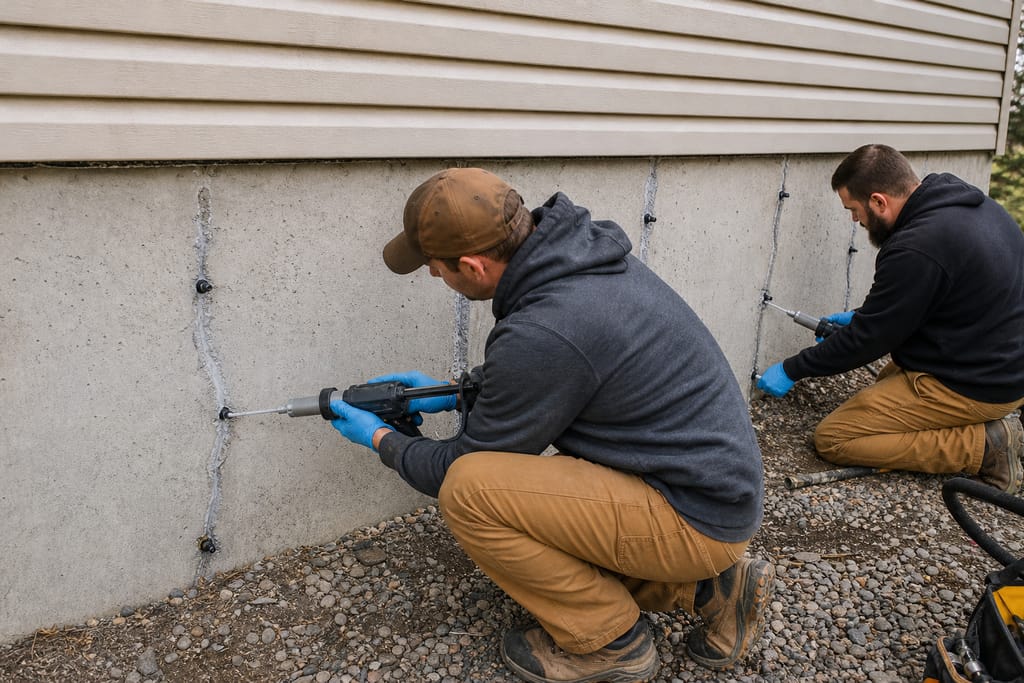
Epoxy Crack Filler
Seals cracks before reinforcement materials are applied over the wall surface.
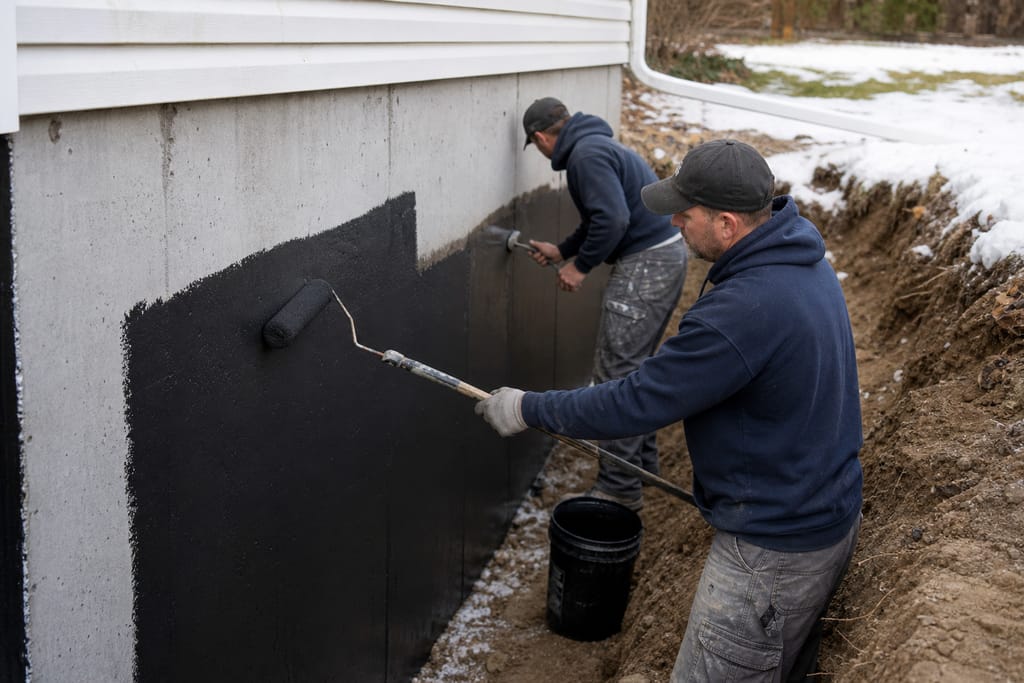
Moisture Barrier Coating
Helps protect reinforced walls from the moisture that drives future pressure buildup.
Questions on materials?
Get a Free EstimateTimeline
How long does wall stabilization take?
Most wall jobs are a short, focused install once the diagnosis is done.
- 01
Inspection and pressure assessment
same day - 02
Permit approval
1–2 weeks - 03
Anchor or strap installation
1–2 days - 04
Final tensioning check
same day
Need a schedule that fits?
Get a Free EstimateCodes & permits
Permits and codes for Wall Stabilization
Wall stabilization is structural work and typically requires a permit through Cache County or Logan City. Confirm before scheduling.
| Typically needs a permit | Often no permit |
|---|---|
| Wall anchor installation requiring yard excavation | Minor cosmetic crack filling unrelated to active bowing |
| Steel I-beam bracing installation | — |
| Structural carbon fiber strap application tied to load-bearing repair | — |
Need help with permits?
Get a Free EstimateCost
What does wall stabilization cost in Logan?
Pricing is based on linear footage and anchor count, not a flat number.
| Project type | Typical range | What’s included |
|---|---|---|
| Carbon fiber straps | $450–$700 | per strap, for walls with moderate bowing. |
| Wall anchors | $600–$850 | per anchor, for walls requiring active correction. |
| Steel I-beam bracing | $800–$1,400 | per beam, for more advanced bowing. |
These are typical local ballparks — final cost depends on scope, materials, and site conditions. A free estimate gives you an accurate, itemized number for your home.
Want a number for your home?
Get a Free EstimateNext step
Request a free estimate for a written count specific to your wall.
DIY vs pro
DIY vs hiring a pro for Wall Stabilization
| DIY | Hire a pro |
|---|---|
| There's no safe DIY fix for an actively bowing wall. Bracing requires engineered tension to counteract real soil pressure. | A bowing wall is under continuous outside pressure, and a pro installs anchors or straps engineered to counteract that specific load. |
| — | DIY bracing (temporary posts, store-bought kits) doesn't address the pressure and risks the wall continuing to move behind the brace. |
Not sure DIY vs pro?
Get a Free EstimateWhen to call
When to call for Wall Stabilization
Call Logan Foundation Pros for a free estimate before the bow gets bad enough to risk wall failure.
- Visible bowing or leaning in a basement wall
- Horizontal cracks running along the wall
- A wall that's noticeably worse after spring runoff than it was in fall
Seeing warning signs?
Get a Free EstimateFAQs
Wall Stabilization FAQs
What causes a basement wall to bow?
Hydrostatic pressure from saturated soil outside the wall, often worst after spring snowmelt, pushes inward until the wall starts to bend or crack horizontally.
How much does it cost to fix a bowing basement wall?
Typical costs run $450-$1,400 depending on the method and number of anchors or straps needed, based on how far the wall has already moved.
Is wall stabilization covered by insurance?
Most standard homeowners policies exclude damage from soil pressure and foundation movement, treating wall bowing as a maintenance issue rather than a covered loss.
Can a bowed wall be straightened back to level?
Some straightening is possible with wall anchors over time, though full correction depends on how much the wall has already moved and what's safe for the rest of the structure.
Do carbon fiber straps work on severely bowed walls?
Carbon fiber straps work best on walls with mild to moderate bowing. More advanced cases usually need wall anchors or steel I-beams instead.
More services
Other Foundation Repair services
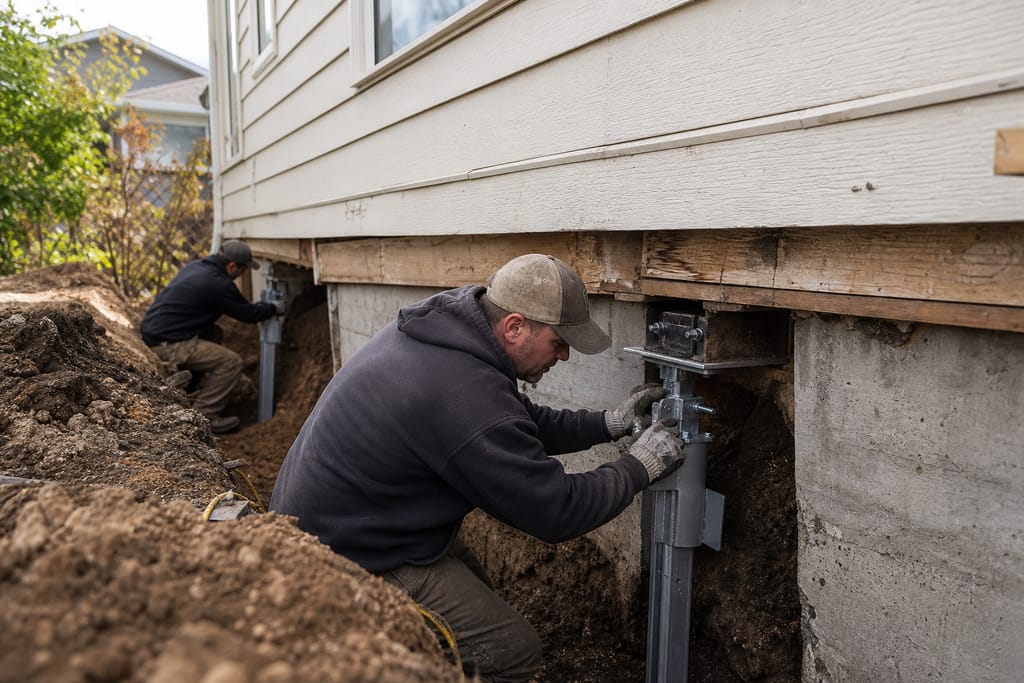
Foundation Repair
Foundation repair in Logan, UT: piering, crack injection, and wall stabilization backed by free written estimates.
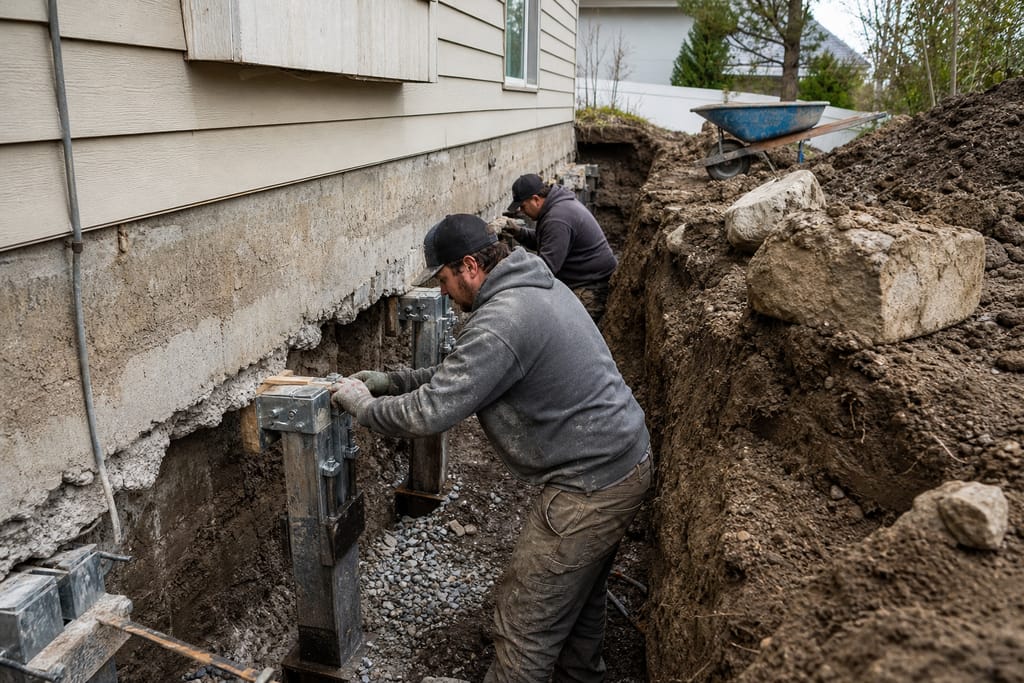
Piering and Underpinning
Piering and underpinning in Logan, UT: steel and helical piers for sinking foundations. Free written estimates.
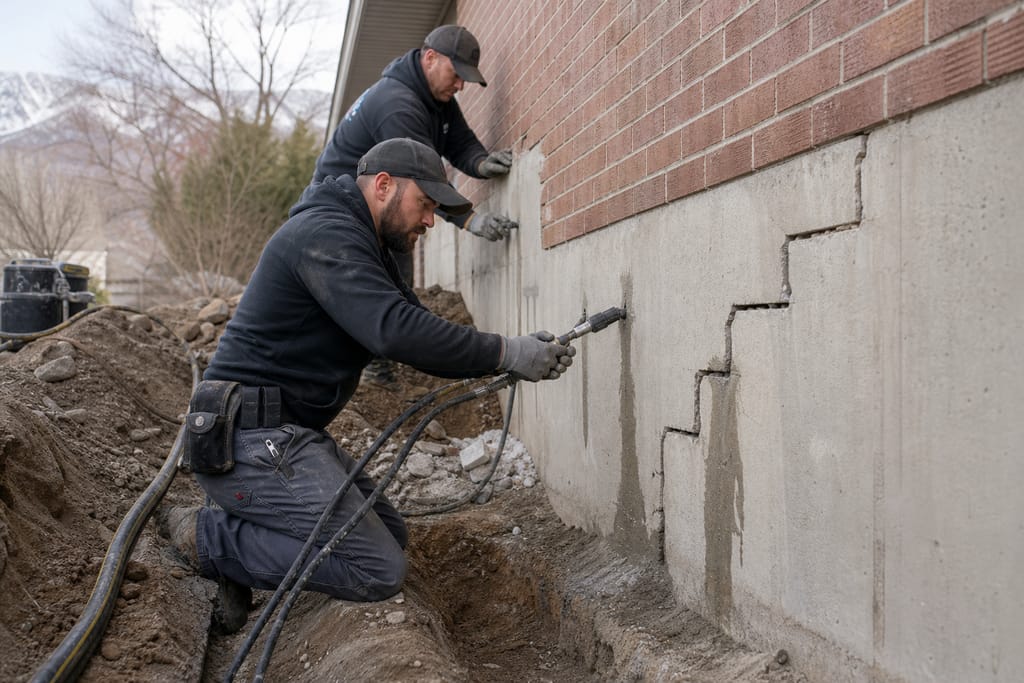
Foundation Crack Repair
Foundation crack repair in Logan, UT: epoxy and polyurethane injection for basement cracks. Free estimates.
Ask about Wall Stabilization
Tell us about the project and how to reach you.